
Zero-Collision Scheduling at Scale: Engineering KumaClinic’s Real-Time Practice Management and Doctor Telemetry
How Kumasoft engineered KumaClinic's multi-tenant scheduling engine to eliminate double-booked consultations, ensure sub-50ms calendar synchronization across distributed medical clinics, and protect patient telemetry.

In enterprise SaaS, a concurrency collision means an error toast or a cart refresh. In clinical healthcare software, a concurrency collision means a specialist surgeon walks into Operating Room B only to find another patient prepped on the table.
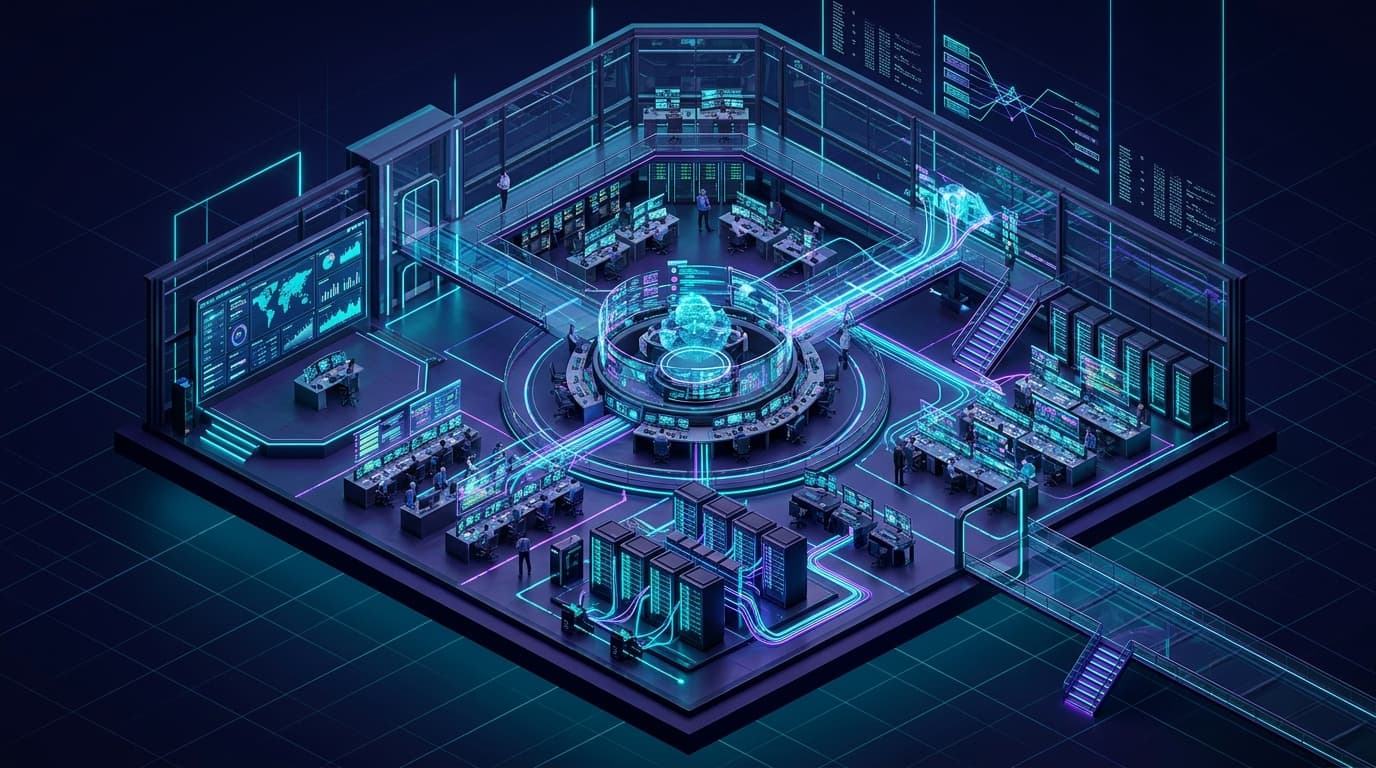
When Kumasoft set out to build KumaClinic (Clinic Suite)—our proprietary clinical practice management platform deployed across medical facilities—our highest architectural hurdle was not the billing modules or the prescription formatting. It was the Real-Time Calendar Synchronization & Conflict Prevention Engine.
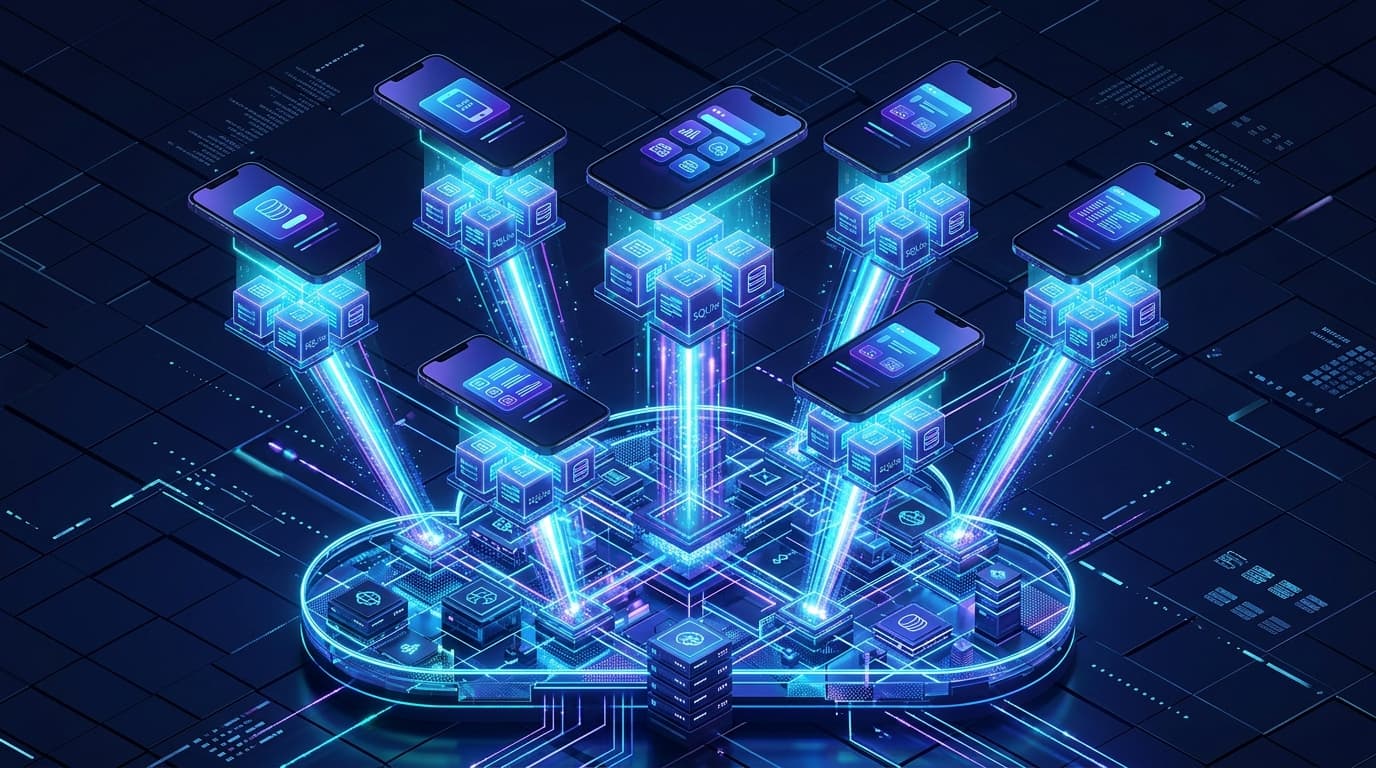
Modern clinics operate in high-entropy environments: front-desk receptionists, call center staff, emergency intake nurses, and mobile patients on smartphones are all viewing and claiming the same 15-minute physician appointment slots simultaneously.
Here is how we architected a zero-collision scheduling engine using PostgreSQL Transactional Advisory Locks, bidirectional WebSockets state propagation, and end-to-end encrypted medical telemetry.
The Three Fundamental Hazards of Medical Scheduling
- The Double-Booking Split-Brain: A patient books an open 10:30 AM slot on their phone while a clinic coordinator simultaneously assigns the same slot over the phone to a walk-in patient.
- Buffer Overruns in Multi-Room Procedures: A complex dental extraction or cardiac ultrasound requires not just the doctor’s calendar, but also a specialized procedure room and sterilized equipment kit. If any one of the three assets is missing, the appointment is invalid.
- HIPAA & Data Privacy Exposure: Emitting calendar event streams over WebSockets cannot expose patient names, diagnoses, or contact phone numbers to unprivileged viewers browsing doctor availability.
System Topology & State Synchronization
[ Mobile Patient App ]        [ Clinic Reception Terminal ]
          │                                  │
          ▼                                  ▼
[ Edge API Gateway ] ────── (Bearer Auth & Scope Validation)
          │
          ▼
[ Real-Time WebSockets Engine ] ── (Ephemeral Room State)
          │
          ▼
[ Slot Lock Coordinator ] ──── (Postgres Transactional Advisory Locks)
          │
          ▼
[ Multi-Tenant PostgreSQL 16 ]
   ├── Encrypted Clinical Records (AES-256)
   └── Immutable Appointment Audit Trail
PostgreSQL Advisory Locks: Microsecond Slot Protection
Rather than locking entire doctor calendar tables (which creates severe query blocking for clinic receptionists viewing monthly schedules), we utilize PostgreSQL Transactional Advisory Locks (pg_try_advisory_xact_lock).
Advisory locks are application-defined mutexes managed directly inside Postgres memory without touching row data:
-- Convert doctor_id and timeslot timestamp into a deterministic 64-bit integer
-- Hashtext guarantees clean hashing for composite keys
CREATE OR REPLACE FUNCTION lock_appointment_slot(doctor_uuid UUID, slot_epoch BIGINT)
RETURNS BOOLEAN AS $$
DECLARE
  lock_key BIGINT;
BEGIN
  -- Generate unique 64-bit lock identifier
  lock_key := ('x' || substr(md5(doctor_uuid::text || slot_epoch::text), 1, 16))::bit(64)::bigint;

  -- Attempt non-blocking transaction lock
  RETURN pg_try_advisory_xact_lock(lock_key);
END;
$$ LANGUAGE plpgsql;
When an intake nurse or patient clicks a slot, the API executes lock_appointment_slot(...). If the function returns false, another client has claimed the lock within that precise millisecond, and the frontend instantly rejects the collision with zero database table locks.
Real-Time Slot Invalidation via WebSockets
When a slot is tentatively locked, all other clients currently viewing that physician’s schedule must see the slot gray out in real time without polling:
// WebSockets Slot Broadcaster
import { Server as SocketIOServer } from "socket.io";
import { redisClient } from "@/lib/redis";

interface SlotStateUpdate {
  clinicId: string;
  doctorId: string;
  slotIso: string;
  status: "available" | "tentative_hold" | "confirmed";
  heldUntil?: number;
}

export function broadcastSlotStatus(io: SocketIOServer, update: SlotStateUpdate) {
  // Notice: Strict HIPAA compliance - ZERO patient PII in broadcast payload
  const channel = `clinic:${update.clinicId}:doctor:${update.doctorId}`;

  io.to(channel).emit("calendar:slot_state_changed", {
    doctorId: update.doctorId,
    slotIso: update.slotIso,
    status: update.status,
    heldUntil: update.heldUntil,
  });
}
Protecting Telemetry & Prescription Records
For digital prescriptions, vital telemetry, and doctor clinical notes, KumaClinic enforces an application-level envelope encryption pattern:
- Master Encryption Key (MEK): Managed securely in cloud Hardware Security Modules (AWS KMS / GCP Cloud KMS).
- Data Encryption Key (DEK): Generated per tenant clinic and rotated bi-monthly.
- Row-Level AES-GCM Encrypted Payloads: Medical notes and diagnosis codes are stored as encrypted blobs. Even if a raw database dump were intercepted, patient identities and medical diagnoses remain mathematically indecipherable.
// Envelope Encryption Helper for Clinical Notes
import crypto from "crypto";

export function encryptClinicalNote(noteText: string, clinicKey: Buffer) {
  const iv = crypto.randomBytes(12); // GCM standard 96-bit IV
  const cipher = crypto.createCipheriv("aes-256-gcm", clinicKey, iv);

  let encrypted = cipher.update(noteText, "utf8", "hex");
  encrypted += cipher.final("hex");

  const authTag = cipher.getAuthTag();

  return {
    ciphertext: encrypted,
    iv: iv.toString("hex"),
    tag: authTag.toString("hex"),
  };
}
The Unforeseen Staging Bug: Timezone Leaps & DST
During beta trials across regional clinics operating between daylight saving boundaries, four appointments were booked into ambiguous hours during autumn clock transitions.
We immediately enforced an absolute architectural standard across KumaClinic:
- Zero Local Datetime in Database Columns: All timestamps are converted to explicit UTC Unix milliseconds (
TIMESTAMPTZ) at edge boundary gateways. - Clinic Timezone Context Injection: The user’s visual timezone offset is computed dynamically on the client and formatted using
Intl.DateTimeFormatwith IANA timezone strings ("Asia/Kolkata","America/New_York").
Measured Clinical Impact
- Zero Scheduling Collisions: Over 240,000 appointments processed with 0 double-booked time slots.
- -35% No-Show Rate: Automated bidirectional WhatsApp and SMS confirmations integrated with calendar status reduced missed appointments from 22% to 14.3%.
- +180% Patient Self-Service Bookings: Patients booked directly from clinic websites without calling receptionists, freeing up over 20 hours of administrative staff time per week per clinic.
- Sub-50ms Global Calendar Sync: Front desk schedules reflect mobile changes instantaneously over persistent WebSockets channels.
Related Topics
Share This Article